
Key Takeaways
- Timber fences cost roughly £60–£100 per metre installed, while a brick garden wall runs £250–£400 per metre – but the wall can last 50–80 years versus 10–20 for a fence.
- Plymouth’s coastal winds, salt spray, and driving rain make durability a serious factor; exposed gardens often fare better with masonry boundary walls.
- Legal issues around the boundary line, planning permission, and neighbour agreements differ between walls and fences – always check your title deeds before starting work.
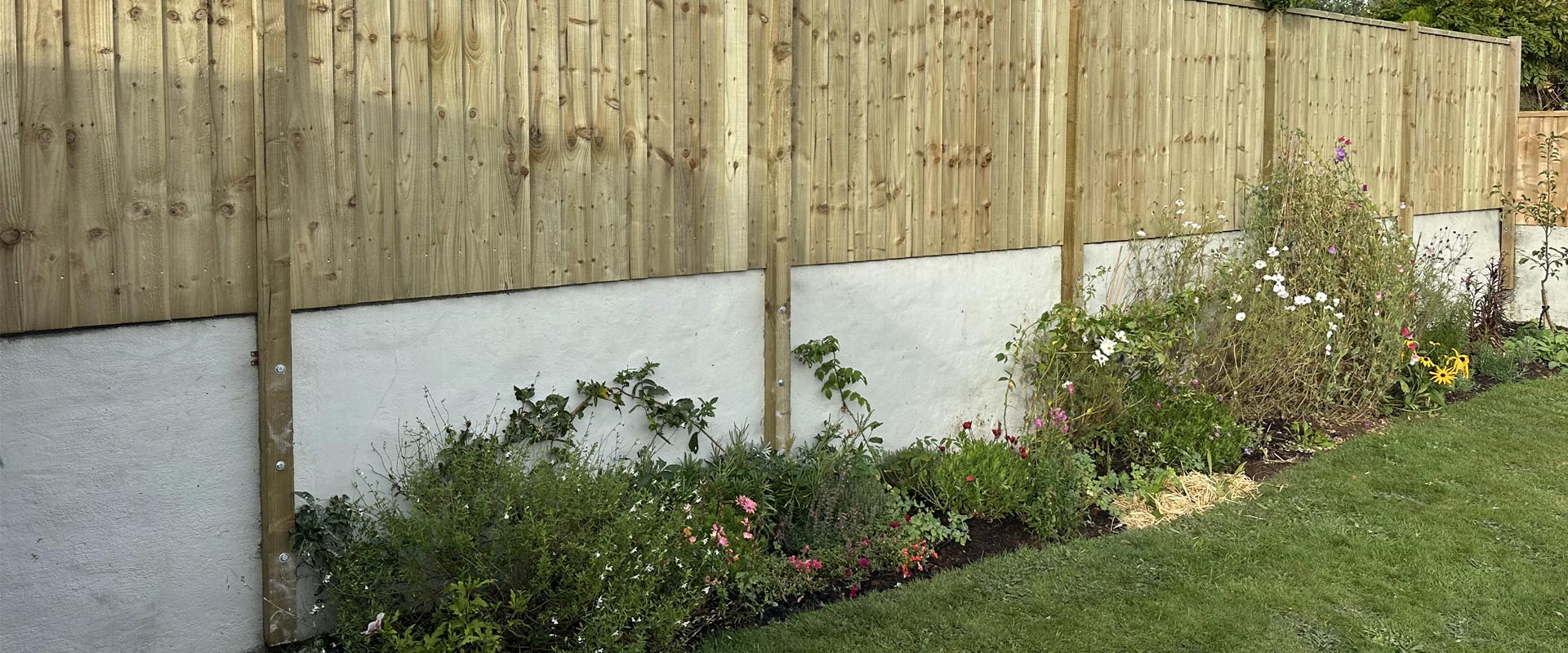
- Hybrid solutions (brick base with timber panels above) let homeowners balance budget, privacy, and style.
- Local installers familiar with Plymouth ground conditions and planning rules can provide accurate costings and help you avoid costly mistakes.
Introduction: Garden Wall vs Fence in Plymouth
If you own a house in Plymstock, Crownhill, Plympton, or Saltash, you’ve probably weighed up the garden wall vs fence question at least once. With 54% of UK homeowners preferring garden landscaping improvements, boundary treatments sit near the top of the project list – and getting the choice right matters in a coastal city where weather and planning rules can complicate things.
Garden walls are permanent masonry structures built from brick, stone, or concrete blocks. Fences are constructed from wood panels, vinyl, composite boards, or metal wire. This article compares cost, durability, appearance, maintenance, security, and legal issues using 2024–2026 prices specific to Devon and Cornwall, so you can determine which option suits your outdoor space and budget.

Cost Comparison: Timber Fence vs Brick Garden Wall
Budget is usually the first thing homeowners consider. Here’s what you can expect to pay in Plymouth and the wider South West:
| Item | Typical Cost (per linear metre, installed) |
|---|---|
| 1.8 m timber fence (closeboard, concrete posts, gravel boards) | £60–£100 |
| 1.8 m double-skin brick wall (foundations, coping stones, piers) | £250–£400 |
A standard timber fence in Plymouth can be around 15–25% of the cost of a full brick boundary wall of the same length and height. Fences are generally cheaper to install and can be set up as DIY projects, whereas garden walls require a higher upfront investment and skilled labour for installation.
Key cost components for a brick wall include concrete footings, bricks or blocks, sand and cement mortar, coping stones, and bricklaying labour (typically £200–£300 per day in the South West). For a fence, the main costs are timber or concrete posts, postmix, gravel boards, and panels – with significantly quicker construction time.
Over a lifetime, though, the gap narrows. Fences typically need repair or replacement after 10–20 years, while a properly built garden wall can save you repeated outlay across several decades. Homeowners on mixed budgets can combine both – for example, a brick wall base with timber panels above – a hybrid covered in a later section.

Durability, Weather Resistance, and Maintenance
Plymouth faces salt-laden winds, driving rain off the English Channel, and occasional winter storms. These conditions batter garden boundaries relentlessly, and what you build needs to cope.
A well-built brick wall or rendered block wall stands up to strong winds far better than most panel fences, especially on exposed coastal edges or high ground near Plymstock. Garden walls can last for decades or centuries with minimal maintenance. Clay brick structures are often cited as having a minimum lifespan of 150 years, and garden walls are virtually maintenance-free but may require occasional repairs such as repointing every 40–60 years or replacing loose stones on the coping.
Fences typically last 10 to 20 years and are vulnerable to rot and damage – particularly in exposed positions where salt spray accelerates timber decay. Pressure-treated panels in Devon might manage 10–15 years with care, while cheaper untreated panels can fail after a few harsh winters. Fences require regular upkeep including painting or sealing for wood, ideally every two to three years, plus replacing broken panels or posts after storms.
For very exposed Plymouth gardens, a wall is often the more robust long-term choice. Sheltered urban plots in areas like Mutley or Crownhill may cope perfectly well with quality fencing, provided it is maintained.
Privacy, Security, and Noise Reduction
Your boundary affects daily privacy, your feeling of security, and even noise from nearby roads or neighbours.
- Garden walls provide excellent privacy and noise reduction. A solid masonry wall can help reduce noise from roads or neighbouring properties – useful if you live near busy routes like Embankment Road or Outland Road.
- Garden walls are engineered primarily for structural support and high-security boundaries. A brick wall is harder to climb, cut through, or push over than timber panels, making it the stronger choice for side alleys and rear access lanes.
- Fences are designed primarily as quick space dividers and privacy screens. Closeboard or featheredge fencing at 1.8–2.0 m high delivers good visual screening, but panels can flex and rattle in high winds.
- Fences can also provide effective privacy but may offer less noise reduction than walls.
Walls allow integrated features such as lockable side gates, lighting, and CCTV brackets to further protect your property. Both walls and fences must respect UK height rules – normally up to 2 m in rear gardens without planning permission – and increasing height may trigger the legal considerations covered below.
Aesthetics and Adding Value to Your Plymouth Home
Kerb appeal matters in areas like Mannamead, Hartley, and Stoke, where the boundary treatment can transform how a property looks and what it sells for.
Garden walls add high value to a home and are viewed as premium landscape features. Garden walls can increase property value significantly, particularly when the brick colour and bond match the existing house style – whether that’s red, buff, or engineered brick. Well-designed garden walling can also create raised beds, frame planting areas with plants, and build terraces in sloping Plymouth gardens, improving overall landscaping.
Garden walls provide a solid architectural look but can make a small garden feel enclosed – something to keep in mind for narrow terraced plots. Fences offer a softer appearance and can be easily painted or stained in any colour, and they integrate well with hedging, climbers, and decorative trellis ideas to soften the edge.
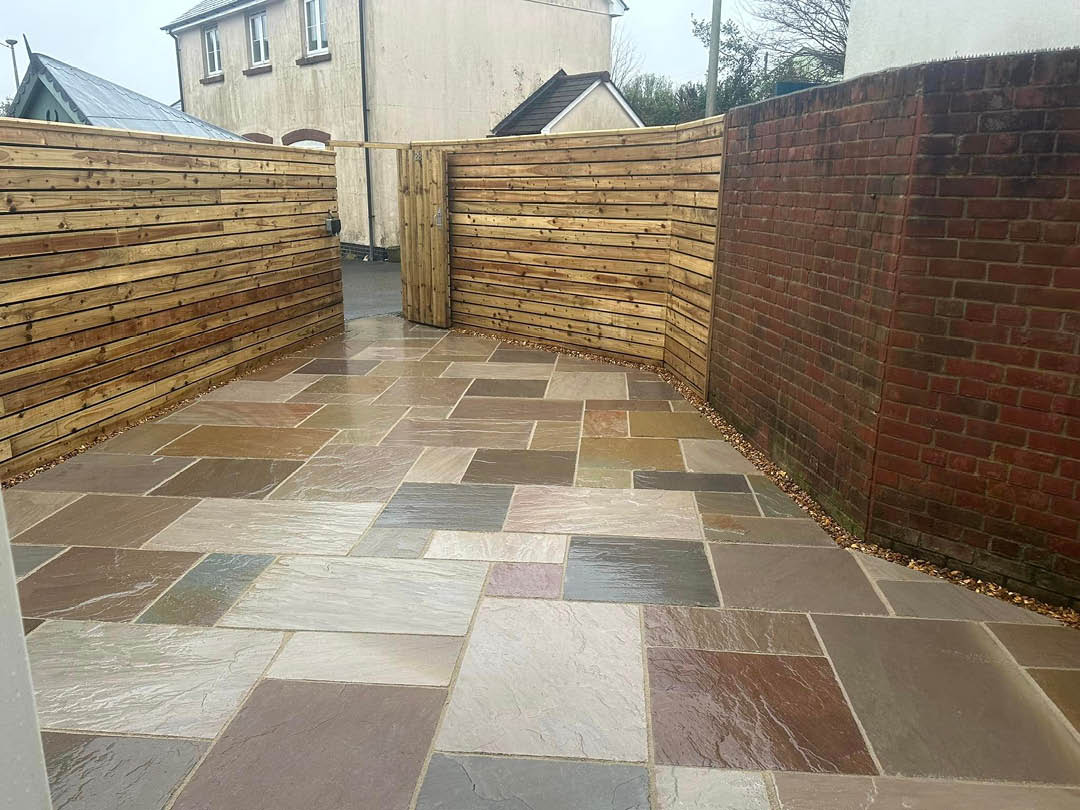
In conservation areas near the Hoe or Barbican, natural stone or brick garden walls typically fit planning expectations better than modern panel fencing. Estate agents often note that tidy front boundary walls and a well-kept driveway improve perceived value, especially when the style and materials match the age of the house.
Legal, Boundary Line, and Neighbour Considerations
Before choosing a garden wall or fence, you need to understand who owns the boundary and what you’re permitted to build.
The boundary line appears on HM Land Registry title plans, though these are not always millimetre-accurate. Title deeds may show “T” marks – a “T” on boundary plans indicates ownership responsibility for the structure on that side. Boundary walls are solely owned by one property owner, unless the wall is clearly shared between two properties.
A party wall is shared by two property owners and sits astride the boundary or is in shared use. The Party Wall etc. Act 1996 governs party wall regulations, and both owners share repair responsibilities for a party wall. You must serve notice before building on a party wall. A boundary wall can become a party wall with mutual agreement between the parties.
No legal obligation exists to maintain boundary walls in the UK, and similarly, fences do not require legal maintenance obligations. However, if a wall falls into disrepair and collapses, the responsible owner could be liable for injury or damage – government guidance urges homeowners to be aware of leaning or crumbling structures.
Planning permission rules in Plymouth allow rear garden walls or fences up to 2 m under permitted development, dropping to 1 m beside a highway. Replacing a like-for-like fence usually doesn’t need consent, but building a new brick boundary wall or significantly altering height may require permission. Always discuss plans with your neighbour to reduce the risk of disputes, particularly when identifying who owns the boundary or when the subject of shared walls arises.
Choosing the Right Option for Different Plymouth Garden Types
The best choice depends on garden size, layout, slope, exposure, and how the space is used.
- Small terraced gardens in central Plymouth often benefit from taller fences for privacy – fences are often easier to replace or modify than garden walls if your needs change.
- Large detached plots on the outskirts may mix low brick walls at the front with taller fences or walls at the rear to fill different roles.
- Sloping gardens in areas like St Budeaux or Tamerton Foliot may require retaining garden walls (with railings or fences above), but walls need appropriate foundations and can be complicated in areas with drainage issues.
A full brick garden wall is recommended where you need high security, where your property backs onto a public footpath, or on exposed coastal plots. A fence is usually sufficient for rented properties, tight budgets, or when a quick, flexible boundary solution is the priority. Hybrid solutions – brick piers with infill fence panels, or low blockwork retaining walls with timber fencing above – let you construct a boundary that balances pride of appearance with practical cost.
Think about long-term plans: extensions, landscaping, or a new driveway. Choosing the wrong boundary now could mean tearing it down later.
Working with Local Installers and Next Steps
Experienced local tradespeople understand Plymouth’s ground conditions, weather, and planning expectations – and that knowledge can save you money and headaches.
A professional site visit should cover existing structures, ground levels, drainage, and a full range of materials and design options. Expect a written quote to include itemised materials (bricks, concrete, timber, post footings), labour, waste removal, timeframe, and optional extras like gates or coping stones. Shop around, but don’t choose purely on lowest price – check insurance, references, and previous examples of local garden walls and fences.
Before contacting an installer, prepare by taking photos of your current boundary, noting any boundary line questions from your deeds, and thinking about height, privacy, and style preferences. For complex situations – disputes, party walls, or retaining walls near buildings – consider consulting a surveyor or structural engineer alongside your fencing or brickwork contractor.
FAQs: Garden Walls and Fences in Plymouth
Below are answers to common questions not fully covered above, focused on everyday homeowner concerns.
Is a garden wall more secure than a fence for my Plymouth home?
A properly built brick or block boundary wall is generally harder to climb, cut, or push over than timber panels, making it the better choice for high-risk areas such as rear access lanes and side passages. Adding metal railings, quality gates, or trellis on top can further support security and deter casual intruders.
Will a brick boundary wall definitely increase my property value?
No boundary upgrade guarantees a specific value increase, but agents often report that neat, solid garden walls and well-designed walling improve saleability and first impressions – particularly on front boundaries and driveways of older properties. The wall should suit the age and style of the property and be built to a good standard to have a positive impact.
Can I replace my neighbour’s old fence with a wall instead?
You cannot unilaterally replace a fence that sits on or belongs to your neighbour’s side of the boundary line. You can usually build your own wall or fence just inside your own land in Plymouth, provided you follow height and planning rules, but this may slightly reduce your garden width. Always check your deeds and speak to your neighbour first.
Do I need planning permission to raise my rear garden fence above 2 metres?
In most of England, including Plymouth, anything over about 2 m in height is likely to require planning permission. Planning rules in Wales similarly require permission for boundary structures over certain heights. Check current Plymouth City Council guidance or speak to the planning department before committing. Videos and guides on YouTube from planning consultants can also help you understand the process.
What’s the difference between a boundary wall and a party wall?
A boundary wall marks the edge of a property and is typically owned by one owner alone. A party wall is shared by two property owners, often sitting on the boundary and structurally used by both. The Party Wall etc. Act 1996 applies to certain works on shared walls, and you must serve notice before carrying out structural changes. If you plan to build or repair a wall between two properties, seek professional advice to determine whether party wall rules apply to your life and your project.